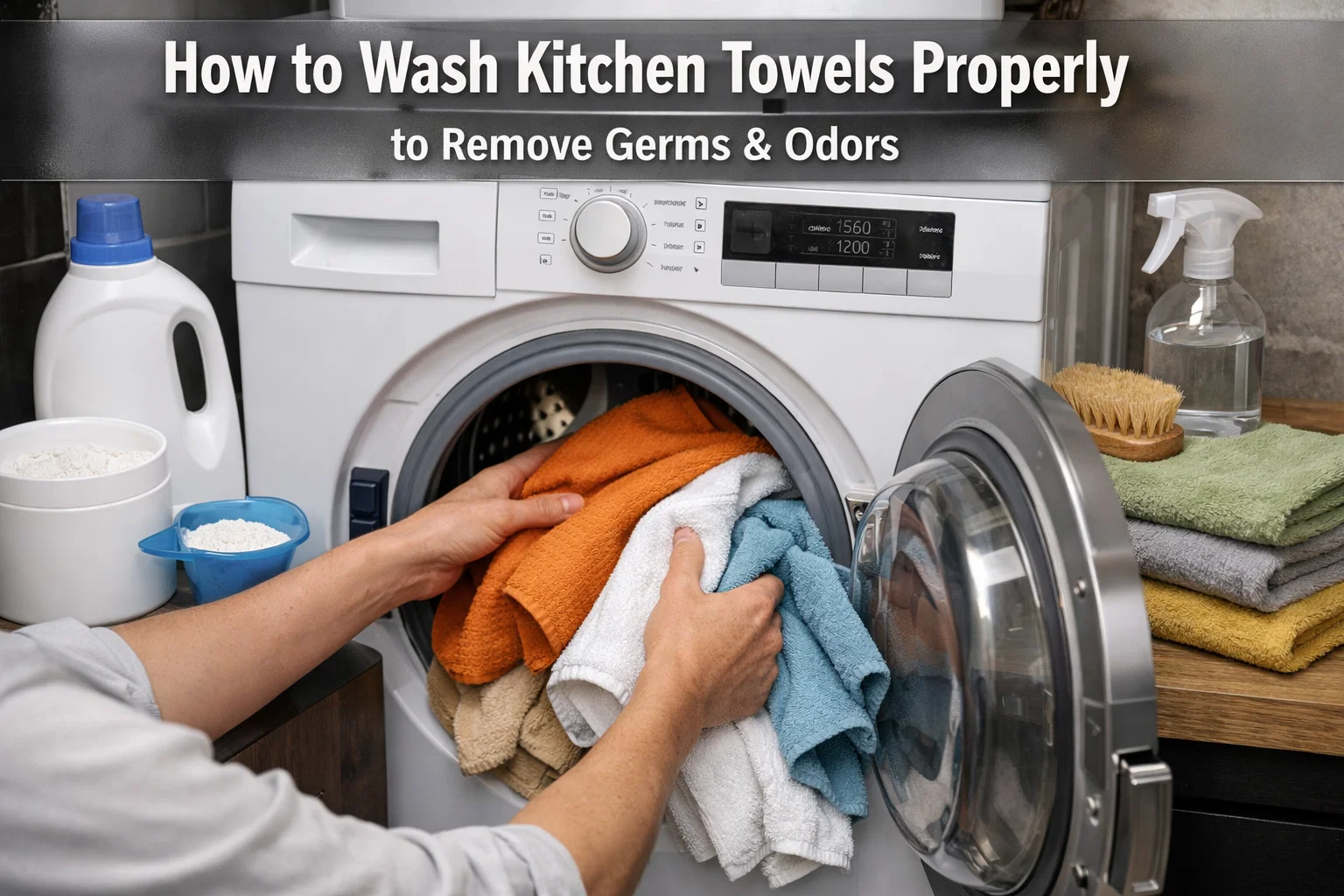
Kitchen towels are an essential part of any kitchen. They help with drying dishes, wiping countertops, handling hot pots and pans, and cleaning up spills. However, since they come into contact with food, liquids, and bacteria on a daily basis, it’s crucial to wash them properly to maintain hygiene and remove any lingering odors. If not cleaned correctly, kitchen towels can harbor germs, bacteria, and unpleasant smells, which can transfer to your kitchen surfaces and even your food.
In this guide, we’ll walk you through how to wash kitchen towels properly to ensure they stay fresh, clean, and germ-free. By following these steps, you’ll keep your kitchen towels in top condition, whether you’re using them for daily cleaning tasks or as part of your Cotton Shades towel collection.
Why Is It Important to Wash Kitchen Towels Properly?
Kitchen towels come into contact with food residue, grease, moisture, and bacteria throughout the day. If not cleaned thoroughly, these can lead to unpleasant odors and even cause contamination. Germs like E. coli, Salmonella, and Listeria can thrive on dirty towels, especially those used for cleaning up raw meat juices or wiping down surfaces where bacteria can spread easily.
Properly washing your kitchen towels not only removes food residue and odors but also kills bacteria, keeping your kitchen clean and safe. Regular washing will also help maintain the absorbency and longevity of your towels, ensuring that they continue to perform well.
Step-by-Step Guide to Washing Kitchen Towels
- Sort Your Towels
Before tossing your kitchen towels into the washing machine, it’s a good idea to sort them by type. Separate towels used for drying dishes, wiping down surfaces, and cleaning spills from those used for more heavy-duty tasks like cleaning up raw meat or handling greasy dishes. This helps prevent cross-contamination.
- Lightly Soiled Towels: These towels can be washed together. They may have been used for drying clean dishes or wiping clean surfaces.
- Heavily Soiled Towels: Towels that have come into contact with raw meat, greasy stains, or food spills should be washed separately to prevent spreading germs to other towels.
- Pre-Treat Stains and Odors
Kitchen towels, especially those used for cleaning food spills, can develop stains or odors. To ensure the best wash, pre-treat towels with stubborn stains or odors.
- For Stains: Apply a stain remover or a bit of liquid detergent directly to the stained area. Let it sit for 5-10 minutes before washing. For greasy stains, you can also rub a small amount of dish soap into the stain before washing.
- For Odors: To eliminate musty or sour smells, mix 1 cup of white vinegar with water and let the towels soak in this solution for 15-30 minutes before washing. Vinegar helps neutralize odors and kills bacteria.
- Wash in Hot Water
The most effective way to kill bacteria and remove odors is by washing your kitchen towels in hot water. Hot water helps to break down grease and grime, as well as sanitize the towels.
- Water Temperature: Set your washing machine to the hottest temperature that’s safe for your towels. Cotton towels can usually handle high heat, but always check the care label to ensure you’re not damaging the fabric.
- Detergent: Use a heavy-duty laundry detergent that is effective in hot water. Some detergents are specifically designed to remove grease and odors, which is ideal for kitchen towels.
- Add Disinfectant
If you’re concerned about bacteria, you can add a disinfectant to your wash. Many laundry detergents already contain antibacterial properties, but you can also use a laundry sanitizer for extra protection.
- Bleach (Optional): If your towels are white and there are stubborn stains, you can use bleach to disinfect and brighten them. Always check the care label to ensure bleach is safe to use on the fabric.
- Non-Chlorine Bleach: If you prefer to avoid harsh bleach, you can use a non-chlorine bleach alternative, like oxygen bleach, which is gentler on towels while still providing cleaning power.
- Dry Your Towels Thoroughly
After washing your kitchen towels, it’s important to dry them completely to prevent mold, mildew, and odor buildup.
- Drying in a Dryer: If your towels are machine washable, tumble dry them on a high heat setting to ensure they dry thoroughly. The heat helps kill any remaining bacteria and ensures your towels are soft and fluffy.
- Air-Drying: If you prefer to air dry your towels, hang them in a well-ventilated area where they can dry completely. Avoid leaving them in a damp pile, as this can lead to unpleasant smells and bacteria growth.
- How Often Should You Wash Kitchen Towels?
Kitchen towels should be washed regularly to prevent the buildup of germs and odors. The frequency of washing depends on how often you use them and for what tasks:- Lightly Used Towels: Towels that are only used for drying dishes or wiping clean surfaces should be washed at least once a week.
- Heavily Used Towels: Towels used for handling raw meat, wiping up spills, or cleaning greasy surfaces should be washed after each use to prevent bacteria growth.
If you notice an odor or stain on a towel, don’t wait for the weekly wash day to clean it. Pre-treat and wash immediately to avoid any bacterial buildup.
- Tips for Maintaining Fresh Kitchen Towels
To keep your kitchen towels in great condition and ensure they stay fresh, here are a few maintenance tips:
- Avoid Fabric Softener: While fabric softener may make your towels feel softer, it can reduce their absorbency over time. Skip fabric softener when washing your kitchen towels to maintain their functionality.
- Use Baking Soda: For towels with lingering odors, you can add half a cup of baking soda to the wash. Baking soda helps neutralize odors and keeps towels fresh.
- Hang Towels Properly: Always hang your towels to dry between uses. Leaving towels in a damp pile can lead to bacterial growth and musty smells. A well-ventilated drying area is essential.
Frequently Asked Questions
- Can I wash my kitchen towels with other laundry?
It’s best to wash kitchen towels separately from other laundry, especially if they have been heavily soiled. This helps prevent bacteria transfer and ensures that your towels get a thorough wash.
- How do I remove grease stains from kitchen towels?
Apply dish soap directly to the grease stain and gently rub it in before washing. Washing with hot water and a heavy-duty detergent will also help break down the grease.
- Do I need to bleach my kitchen towels?
Bleaching is optional but can help whiten and disinfect white towels. However, if your towels are colored, use non-chlorine bleach or oxygen bleach to avoid damaging the fabric.
- Why do my kitchen towels smell bad even after washing?
If your towels smell bad after washing, they may not have been dried completely, or they may have been left damp for too long. Ensure towels are thoroughly dried, either in the dryer or by hanging them in a well-ventilated area.
- Can I wash my kitchen towels in cold water?
Cold water isn’t as effective at killing bacteria and removing grease. For best results, wash your kitchen towels in hot water. If hot water isn’t an option, try adding a laundry sanitizer.
- How can I keep my kitchen towels soft?
Avoid fabric softeners and try air drying or tumble drying on a low heat setting to maintain the softness of your towels.
- Should I wash towels used for raw meat separately?
Yes! Towels used for raw meat should always be washed separately from other towels to prevent cross-contamination.
- How do I get rid of sour smells in kitchen towels?
Soak your towels in a vinegar solution (1 cup of vinegar to 1 gallon of water) before washing to eliminate sour smells.
- Can I dry my kitchen towels in the sun?
Yes, hanging your towels in the sun is a great way to dry them naturally. The sun’s heat helps kill bacteria and freshens towels.
- How often should I replace my kitchen towels?
Kitchen towels should be replaced when they become worn out, frayed, or overly stained. If your towels are losing their absorbency, it’s time to replace them with fresh ones.
Conclusion
Properly washing your kitchen towels is essential for maintaining a hygienic and odor-free kitchen. By following the right steps—sorting towels, pre-treating stains, washing in hot water, and thoroughly drying—you can ensure that your towels stay fresh, absorbent, and germ-free. Regular washing will also extend the life of your towels, whether you’re using a set from Cotton Shades or another brand, ensuring your kitchen remains a clean and safe environment for food preparation.